
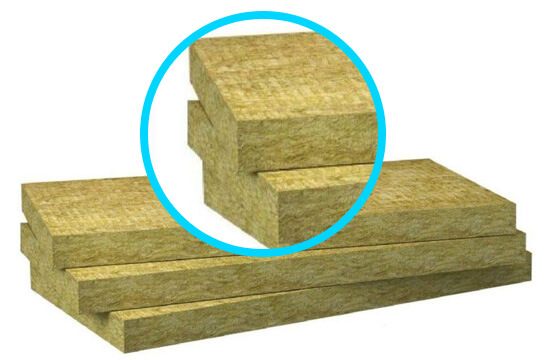
A quieter room starts with the right materials in the right places. Rockwool soundproofing insulation, also called stone wool or mineral wool, is a popular choice for wall and ceiling cavities where sound absorption and fire resistance matter. Its dense, fibrous structure helps absorb sound within a cavity, while its fire-resistant properties can support a carefully designed building assembly.
For homeowners planning a home office, bedroom, or home theater, Rockwool can be a useful part of a noise-control upgrade. For builders and contractors in Western Kentucky and the Mid-South, it can provide a practical option for projects with acoustic or fire-resistance needs.
One important distinction: insulation can help reduce sound transmission, but no batt alone makes a room completely soundproof. The framing, drywall, gaps, doors, and other paths sound can travel through all matter.
What Rockwool does in a wall or ceiling
Rockwool is made from spun mineral fibers formed into batts or boards. Fitted inside a framed cavity, the fibers help absorb sound energy rather than allowing it to build up and pass through the assembly as readily. It can be considered for shared walls, bedrooms, home offices, media rooms, and walls around mechanical areas.
The ROCKWOOL overview of acoustic insulation describes how mineral wool products are used for sound absorption and insulation. Actual results depend on the complete assembly, including the framing, insulation fit, number and type of drywall layers, and any resilient channels or other sound-control details.

In a home in Paducah, Kentucky, for example, mineral wool in a shared wall may help reduce noise moving through the cavity, but sound can still travel around that wall through ceilings, floors, doors, outlets, and connected framing. A whole-room plan considers those flanking paths, not only the insulation.
Why builders ask for mineral wool
Rockwool is often selected when a project needs both cavity sound absorption and a fire-resistant insulation material. Mineral wool is generally noncombustible, but fire ratings apply to tested assemblies and specific products, not automatically to every wall containing mineral wool. Project specifications and local code requirements should guide the choice.
For homeowners in Murray, Kentucky, and across Western Kentucky, common benefits include:
- Sound absorption in framed cavities: Its fibrous structure helps absorb sound inside walls and ceilings.
- Fire-resistant material: Mineral wool is a noncombustible insulation option; the full assembly still needs to meet the project’s fire requirements.
- A firm, close fit: Properly sized batts can fill a cavity without leaving avoidable gaps.
- Thermal performance: Alongside sound control, mineral wool provides insulation for a more comfortable, energy-conscious building.
For a deeper look at Armored Insulation’s offering, visit our mineral wool insulation page. Product features vary, so builders should confirm the documentation for the particular product and assembly specified.
Rockwool vs. fiberglass batts
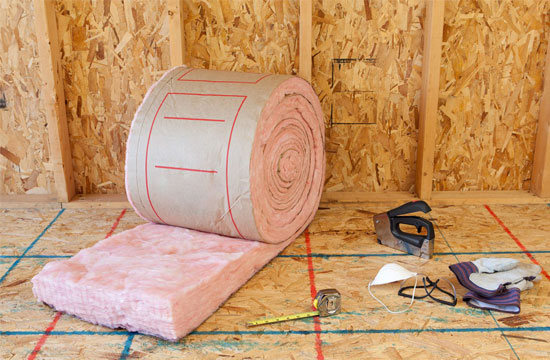
Fiberglass batts remain a practical and often more budget-friendly choice. Like mineral wool, fiberglass is a fibrous cavity insulation that can absorb sound when installed correctly. It is also commonly used for thermal insulation in homes and commercial buildings.
Rockwool batts are typically denser than standard fiberglass batts, which can make them attractive for sound-control and fire-resistance priorities. But density alone does not determine how quiet a finished room will be. Batt thickness and fit, wall construction, drywall, openings, and sound paths all affect the result. Fiberglass can also deliver useful acoustic performance in a well-designed assembly.
The main trade-off is cost: Rockwool usually costs more than fiberglass batts. That higher upfront price may make sense when the project places a premium on cavity sound absorption, fire-resistant material, or a sturdy batt that fits the intended application. For projects where budget is the priority, correctly installed fiberglass batts may be the better fit.
Armored Insulation offers both options. Learn more about fiberglass batt insulation when comparing materials for a home or commercial project in Mayfield, Kentucky, or elsewhere in Western Kentucky.
Rockwool vs. spray foam
Spray foam and mineral wool solve different problems. Spray foam expands to fill gaps and can reduce air leakage, which may help with drafts and noise that travels through openings. Open-cell spray foam is softer and can absorb some sound; closed-cell spray foam is more rigid and is often chosen for air, moisture, or thermal-control needs.
For cavity sound absorption and fire resistance together, Rockwool is often the more direct choice. Spray foam is a plastic foam material, so fire protection requirements matter. It should not be left exposed unless the product and assembly are approved for that use. In some projects, spray foam may be appropriate for the air-sealing goals while other construction details address sound and fire performance.

Armored Insulation can help evaluate whether Rockwool, spray foam, fiberglass batts, or blown-in insulation is appropriate for the job. More information is available on our spray foam insulation page.
A quiet room depends on the whole assembly
When planning sound control, start by identifying the noise source and where it travels. Airborne voices and television sound can behave differently from impact noise, such as footsteps. A contractor can help determine whether the project needs cavity insulation, added drywall layers, resilient channels, better door seals, or a combination of measures.
For both residential and commercial work, useful questions include:
- Is the main concern airborne noise, impact noise, or sound leaking through gaps?
- Does the wall or ceiling have a fire-rating requirement?
- Which tested assembly or product documentation applies?
- Are doors, outlets, ducts, or connected framing creating paths around the insulated cavity?
A Rockwool batt installed with gaps or compressed into the wrong cavity may not perform as intended. Proper fit and coordination with the rest of the assembly are essential. The same is true for fiberglass batts and blown-in insulation: material selection matters, but so does installation.
Support for Western Kentucky projects
Whether a homeowner is planning a quieter bedroom in Paducah, a home office in Murray, or a shared-wall upgrade in Mayfield, the right insulation depends on the building and the goal. Contractors across Western Kentucky can also benefit from selecting a material that aligns with the project’s acoustic, thermal, and fire-protection specifications.
At Armored Insulation, we work with homeowners, contractors, and commercial property teams across Western Kentucky and the surrounding region. We can discuss Rockwool, fiberglass batts, spray foam, blown-in options, and how they fit the project scope.
When you’re ready, send us a service request. We’ll be glad to learn more about your project and help you explore practical options.