
As Western Kentucky heads into winter, many homeowners in Paducah, Murray, and Mayfield start thinking about drafts, chilly rooms, and heating bills. An insulation upgrade can help reduce heat loss, but the amount it saves depends on the home and the work it needs. There is no responsible one-size-fits-all estimate.
The better question is: Which improvements will reduce heat loss in this home, and what will they cost to install? Understanding the answer helps homeowners make a practical decision about cost savings on energy bills without relying on a generic promise.
How insulation upgrades can reduce heating costs
Heat naturally moves from warmer areas toward colder ones. In winter, it can escape through under-insulated ceilings, walls, floors, and other parts of a home’s exterior shell. When that happens, the heating system must work to replace some of the lost heat.
Energy efficient home insulation slows heat transfer through these building assemblies. When it is installed in the right place and works together with appropriate air sealing, the home can hold its temperature more steadily. That may mean less demand on the heating system, improved comfort, and lower heating energy use.
Insulation does not create a guaranteed bill reduction by itself. The actual outcome depends on how much heat the home was losing before the upgrade, how much work is completed, local weather, energy rates, and household use. The U.S. Department of Energy explains the role of insulation in its Guide to Home Insulation.
Start with the home’s current insulation condition
An upgrade generally has more opportunity to help when the area being improved is under-insulated, unevenly covered, or missing insulation. If an attic already has suitable, well-installed insulation, adding more may have less value than addressing a different part of the home’s thermal boundary.
The assessment should look at more than insulation depth. It should consider:
- Where insulation is installed: attic, walls, floors, crawl spaces, or other areas
- How consistently it covers the surface: gaps and compressed sections can affect performance
- The condition of existing material: moisture, disturbance, or settling may change what can be reused
- The layout of the space: framing, wiring, ductwork, and access affect the best installation method
For homeowners in Paducah, Murray, Mayfield, and surrounding Western Kentucky communities, an attic inspection can be a useful starting point. But the best location for an upgrade depends on the individual home, not a rule of thumb.

Air sealing and insulation work together
Insulation slows heat transfer through building materials. Air sealing addresses uncontrolled movement of air through openings and gaps. These are related but distinct jobs. Fiberglass and cellulose insulation, including blown-in products, should not be assumed to seal every air leak.
That distinction matters when planning a winter upgrade. If warm indoor air escapes through openings in the attic floor or other parts of the building envelope, adding insulation over the area without addressing those paths may not deliver the intended improvement. An assessment can identify where air sealing is appropriate before insulation is added.
Materials have different characteristics. Spray foam can provide insulation and help limit air movement when it is specified and installed correctly for the assembly. Blown-in fiberglass or cellulose can provide broad coverage in attics and fill irregular or closed cavities. Fiberglass batts can be an effective option in accessible, consistently sized cavities when fitted carefully. Rockwool may be selected where sound control or fire-related properties are important, in addition to thermal performance.
The right option depends on the space and the project goals, not simply on which material has the strongest-sounding product description.
Material choice affects the project, not just the bill
An insulation material influences the installation method, coverage, and upfront cost. Those factors affect how the upgrade’s long-term value should be considered.
Spray foam
Spray foam expands to fit the area where it is applied. Depending on the product and assembly, it can combine insulation with air sealing. It may have a higher initial price than some other insulation choices, so the assessment should consider whether its specific benefits are useful in the area being upgraded. Armored Insulation explains some of the distinctions in its guide to closed-cell and open-cell spray foam.
Blown-in fiberglass or cellulose
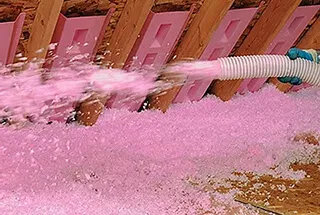
Blown-in insulation is often a practical choice for attic surfaces and spaces with obstructions, such as framing, wires, and ductwork. Coverage and final depth should be checked as part of the job. For more on how the method compares with batts, see the company’s guide to fiberglass batts and blown-in insulation.
Fiberglass batts
Batts can suit open, accessible cavities with standard dimensions. Their performance depends on careful fitting. Gaps, compression, or incomplete coverage can limit how well the installed material performs in practice.
Rockwool
Rockwool may be appropriate when sound absorption or fire resistance is part of the project’s purpose. A homeowner comparing options solely for heating-bill savings should ask whether those additional characteristics address a need in the home.

What affects payback?
Payback is the time it takes for estimated energy-cost savings to equal the net cost of the upgrade. A simple way to think about it is:
Net project cost ÷ estimated annual energy-cost savings = simple payback period
That calculation depends on a home-specific estimate. The factors that can shift it include:
- Existing conditions: The opportunity may differ between a home with little attic insulation and one that is already well covered.
- The areas included: Improving one area has a different scope and cost than treating multiple parts of the building shell.
- Air leakage: Sealing relevant leaks may complement insulation and change the project’s expected performance.
- Material and installation: Product selection, access, preparation, and installation quality all affect project cost and results.
- Heating system and energy rates: Fuel type, system efficiency, and utility prices influence the cost of heating the home.
- Weather and household use: Outdoor conditions, thermostat settings, and how the home is occupied affect energy use.
A higher-priced material is not automatically the better investment, and a lower initial price does not always mean the best long-term value. The relevant comparison is the cost and likely benefit of a suitable, properly installed system for the specific home.
Why an energy assessment beats guessing
A professional assessment helps identify the home’s actual conditions before a homeowner chooses a material or project scope. Depending on the assessment, it may include inspection of insulation, checks for air leakage, and review of how the home’s heating and ventilation systems relate to the building envelope.
The U.S. Department of Energy’s Guide to Home Energy Assessments describes how an assessment can help prioritize improvements. Homeowners can use the findings to compare options and ask for estimates based on the areas that need attention.
Before making a decision, ask what the assessment found, which work is recommended first, and how the estimate was developed. A clear explanation of the proposed scope is more useful than a generalized promise about savings.
Plan an upgrade around the house, not a headline
For homeowners across Western Kentucky, including Murray, Paducah, and Mayfield, insulation upgrades can be a sensible way to improve winter comfort and reduce heating demand. But the cost savings on energy bills depend on the condition of the home, the improvements selected, and the quality of installation.
At Armored Insulation, we help homeowners review insulation options for their space and goals. We serve Western Kentucky and nearby areas, and we’re happy to discuss a project without pressure. Send us a service request to get started.