
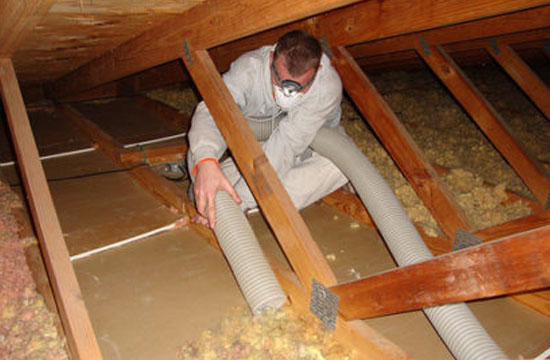
Insulation is designed to protect your home from outdoor heat and cold. Over time, however, older insulation can settle, compress, absorb moisture, or become contaminated by pests. When that happens, it may no longer provide the thermal protection your home needs.
The result can include uncomfortable rooms, longer HVAC run times, and rising energy bills. For homeowners in Western Kentucky, Northwest Tennessee, Southern Illinois, and Southeastern Missouri, professional insulation removal and replacement can be a practical way to restore comfort and improve long-term energy efficiency.
Old insulation does not always need to be removed. If it is clean, dry, and in good condition, adding new insulation may be enough. But when the existing material is damaged or contaminated, removal is often the safer and more effective solution.
How Old Insulation Loses Performance
Insulation works by slowing the movement of heat through the attic, walls, and roofline. Its effectiveness is commonly described by its R-value, which measures resistance to heat flow.
Several problems can reduce the effective R-value of older insulation:
- Settling: Loose-fill fiberglass and cellulose can become thinner over time, leaving less material between the living space and the attic.
- Compression: Foot traffic, stored items, or improper installation can flatten insulation and reduce the air pockets that provide thermal resistance.
- Moisture exposure: Roof leaks, condensation, or poor attic ventilation can leave insulation damp and less effective.
- Pest activity: Rodents and insects can disturb insulation, create nests, and leave behind droppings and urine.
- Uneven coverage: Gaps around ductwork, wiring, recessed lights, and attic access points allow heat to bypass the insulation.
- Age and outdated standards: Older homes may have insulation levels that were considered acceptable decades ago but fall well below current recommendations.
When insulation becomes thin, wet, or uneven, your heating and cooling system must work harder to maintain the thermostat setting. That increased runtime can contribute to significant cost savings on energy bills when the insulation problem is corrected.
Signs It May Be Time for Insulation Removal
A professional inspection can determine whether existing insulation should be removed, replaced, or supplemented. Homeowners should watch for the following warning signs.
1. Rising Energy Bills
If utility costs continue to increase without a major change in energy usage, failing insulation may be part of the problem. Older insulation allows more heat to enter during summer and escape during winter. Your HVAC system then runs longer to compensate.
Energy costs depend on the size of the home, weather, equipment efficiency, and household habits. No insulation contractor can guarantee a specific savings amount. However, improving air sealing and attic insulation can reduce unnecessary heating and cooling demand, especially in homes with low or damaged insulation levels.
2. Uneven or Uncomfortable Rooms
Hot bedrooms, cold floors, drafty hallways, and large temperature differences between floors often indicate insufficient insulation or air leakage.
These problems are especially common in upper-level rooms below an attic. In summer, heat from the roof can move into the living space. In winter, heated air can escape through gaps in the attic floor.
3. Visible Settling or Uneven Coverage
Look into the attic only if it can be done safely. Thin areas, bare spots, compressed batts, and exposed ceiling joists are signs that the insulation may not be providing complete coverage.
Blown-in insulation should have a consistent depth across the attic. A depth inspection can help determine whether the current material still provides an appropriate R-value.

4. Rodent Droppings, Nests, or Pest Damage
Rodents and other pests can damage insulation while creating nesting areas. Droppings, urine, shredded material, and strong odors can affect both insulation performance and indoor air quality.
Contaminated insulation should not simply be covered with new material. Removal allows the affected area to be cleaned and inspected. It also gives the homeowner an opportunity to identify and seal possible entry points.
5. Moisture, Mold, or Water Stains
Wet insulation cannot perform as intended. Water stains, damp areas, musty odors, and visible mold growth may indicate a roof leak, plumbing issue, or attic ventilation problem.
The moisture source must be corrected before replacement insulation is installed. Otherwise, the new material may suffer the same damage.
6. Sagging or Damaged Insulation
Fiberglass batts that are sagging, torn, matted, or pulled away from framing members leave gaps in the thermal barrier. Loose-fill insulation that has been compressed or displaced may also provide inconsistent coverage.
These conditions are common in older attics and areas that have been accessed for electrical, plumbing, or HVAC work.
Benefits of Insulation Removal and Replacement
Professional attic insulation services can provide more than a new layer of material. The process creates an opportunity to inspect the attic, correct hidden issues, and install a custom-designed insulation system.
Improved Comfort Throughout the Home
New insulation helps reduce heat transfer through the attic and other building areas. This can create more stable indoor temperatures and reduce hot and cold spots.
A properly insulated home may feel more comfortable even before the thermostat setting changes.
Lower Heating and Cooling Demand
When the thermal envelope performs better, the furnace and air conditioner do not have to run as long to maintain the desired temperature.
The exact return on investment varies, but homeowners may see meaningful cost savings on energy bills when replacement addresses major gaps, moisture damage, or severely settled insulation.
Better Indoor Air Quality
Removing insulation contaminated by pests, moisture, or excessive debris can help reduce unwanted odors and airborne contaminants. New insulation also provides a cleaner starting point for the attic system.
Insulation is not a substitute for professional mold remediation or pest control when those services are required. However, removing damaged material is an important part of addressing the condition.
Opportunity for Air Sealing
Old insulation can hide cracks and openings around:
- Plumbing penetrations
- Electrical wiring
- Ductwork
- Attic hatches
- Recessed lights
- Chimneys and flues
- Top plates and wall cavities
Once the old insulation is removed, these areas are easier to inspect and seal. Air sealing should be completed with appropriate materials and clearances before new insulation is installed.
Updated Energy-Efficiency Performance
Modern materials can provide more consistent coverage and better performance than old, damaged insulation. Depending on the structure, replacement may include blown-in fiberglass, cellulose, fiberglass batts, spray foam, or another suitable material.
ENERGY STAR recommends evaluating attic insulation levels along with air sealing, moisture control, and ventilation. Homeowners can review its attic insulation guidance when planning an upgrade.
Removal or Adding More Insulation: Which Is Right?
Full removal is not required for every project. Dry, clean, and properly installed insulation may be able to remain in place while additional insulation is added.
Removal and replacement are generally more appropriate when the existing insulation is:
- Wet or water-damaged
- Moldy or musty
- Contaminated by rodents or pests
- Severely compressed
- Heavily disturbed or uneven
- Filled with debris or damaged material
- Obstructing the inspection of important attic areas
A qualified insulation professional can measure insulation depth, inspect the attic, identify air leaks, and recommend the most practical solution. In some homes, topping off existing insulation is the best value. In others, removal is necessary to achieve a clean, reliable, and energy efficient home insulation system.
What to Expect During the Service
A typical insulation removal and replacement project includes several steps:
- Attic inspection: The technician checks insulation depth, condition, ventilation, moisture signs, wiring, ductwork, and access points.
- Project recommendation: The homeowner receives a clear explanation of whether removal, replacement, or additional insulation is appropriate.
- Safe removal: Damaged or contaminated insulation is removed using professional equipment and proper containment practices.
- Attic preparation: The work area is evaluated for air leaks, moisture sources, ventilation concerns, and potential pest entry points.
- Air sealing and corrections: Appropriate gaps and penetrations may be sealed before new insulation is installed.
- New insulation installation: The selected material is installed to provide consistent coverage and the desired thermal performance.
- Final inspection: Coverage, depth, ventilation paths, and safety clearances are reviewed before the project is completed.

Armored Insulation, LLC provides comprehensive attic insulation services for homeowners throughout Western Kentucky, Northwest Tennessee, Southern Illinois, and Southeastern Missouri. The team handles projects of varying sizes and can help determine which material and installation method fit the home.
A Cleaner, More Efficient Attic Can Pay Off for Years
Old insulation can quietly reduce home performance for years before the problem becomes obvious. Settling, moisture, pests, and uneven coverage all make it harder for your HVAC system to maintain a comfortable indoor environment.
Insulation removal and replacement can restore coverage, improve comfort, support better indoor air quality, and reduce unnecessary heating and cooling demand. The best solution depends on the condition of the existing insulation, the home’s construction, and the homeowner’s goals.
If you are seeing high energy bills, uneven temperatures, pest evidence, or damaged attic insulation, we are available to help. Request service through our Jobber service request form, and our team will respond with a professional recommendation.
