

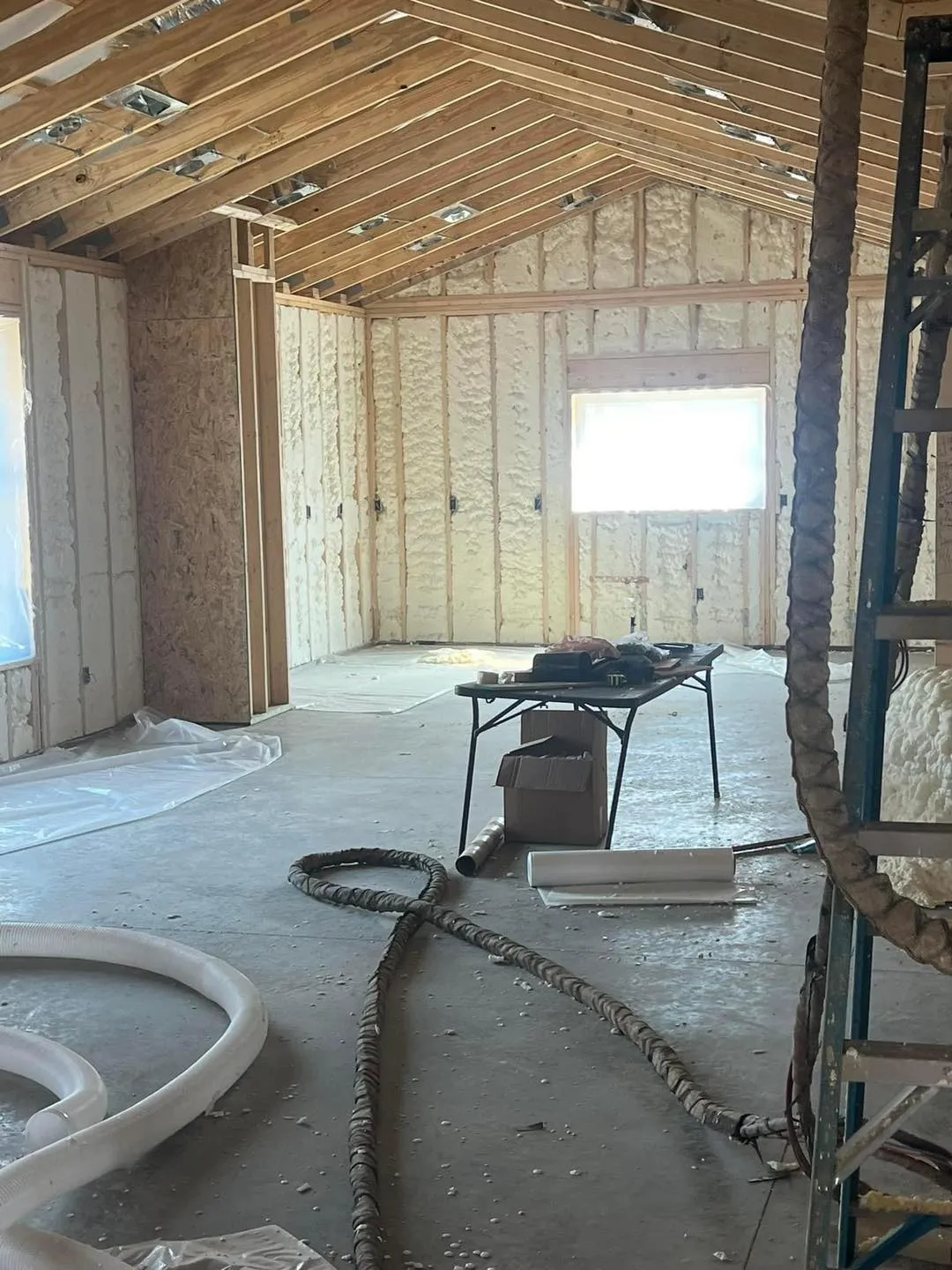
Upgrading a commercial building’s insulation is a direct investment in its leasing potential. Properties with modern, effective insulation attract and retain tenants more easily by offering significantly lower utility costs and a more comfortable, productive workspace. For a prospective tenant comparing properties, a well-insulated building presents a clear financial advantage and a healthier environment, making it a more desirable choice over a poorly insulated competitor. This can lead to shorter vacancy periods and justify higher rental rates for the property owner.
For property owners, the benefits of an insulation upgrade extend far beyond simple energy savings. These improvements directly influence the building’s financial performance and market position.
An energy-efficient building is a more valuable asset. Tenants are often willing to pay a premium for spaces with lower operating expenses. A report from the U.S. Department of Energy highlights that investments in energy efficiency can yield a return of 3-5%. This efficiency gain allows owners to market their properties at a higher price point, boosting net operating income. Appraisers also recognize these features, which can lead to a higher overall valuation of the property.
In a competitive leasing market, differentiation is key. A building that offers verifiable energy savings is a powerful marketing tool. Prospective tenants, especially those with large energy footprints like data centers or manufacturing operations, actively seek out spaces that help control their overhead. By offering a building with superior insulation, landlords can attract a wider pool of quality tenants and fill vacancies faster.
From a tenant’s point of view, the decision to lease a space is heavily influenced by its long-term operating costs and the quality of the work environment it provides.
This is the most compelling benefit for any business. Energy is a major expense for commercial tenants, and a poorly insulated building can lead to shocking heating and cooling bills. A study by the American Council for an Energy-Efficient Economy (ACEEE) found that smart energy management in commercial buildings can reduce energy waste by 10% to 30%. When a landlord can demonstrate that a space is properly insulated, they are showing the tenant a clear path to lower monthly expenditures.
Temperature fluctuations are a common complaint in commercial spaces and can be a significant distraction for employees. Proper insulation creates a stable, comfortable indoor climate year-round. This consistency is not just a convenience; it impacts work quality. Research from the Lawrence Berkeley National Laboratory shows a direct link between thermal comfort and worker performance. A comfortable team is a more focused and productive one.
The difference in experience for a tenant between a well-insulated building and one without adequate insulation is substantial.
| Feature | Poorly Insulated Space | Well-Insulated Space |
|---|---|---|
| Monthly Energy Bills | High and unpredictable, especially in extreme weather. | Lower and more stable, easier to budget. |
| Indoor Temperature | Experiences hot and cold spots, drafty. | Consistent and comfortable throughout the day. |
| Employee Comfort | Frequent complaints about being too hot or cold. | Fewer distractions, better focus. |
| HVAC System Strain | Runs constantly, leading to more wear and tear. | Operates efficiently, potentially lasting longer. |
Bonus Tip: Provide prospective tenants with past utility bills or an energy audit report. This tangible proof of low energy consumption is a powerful tool during lease negotiations and builds trust from the start.
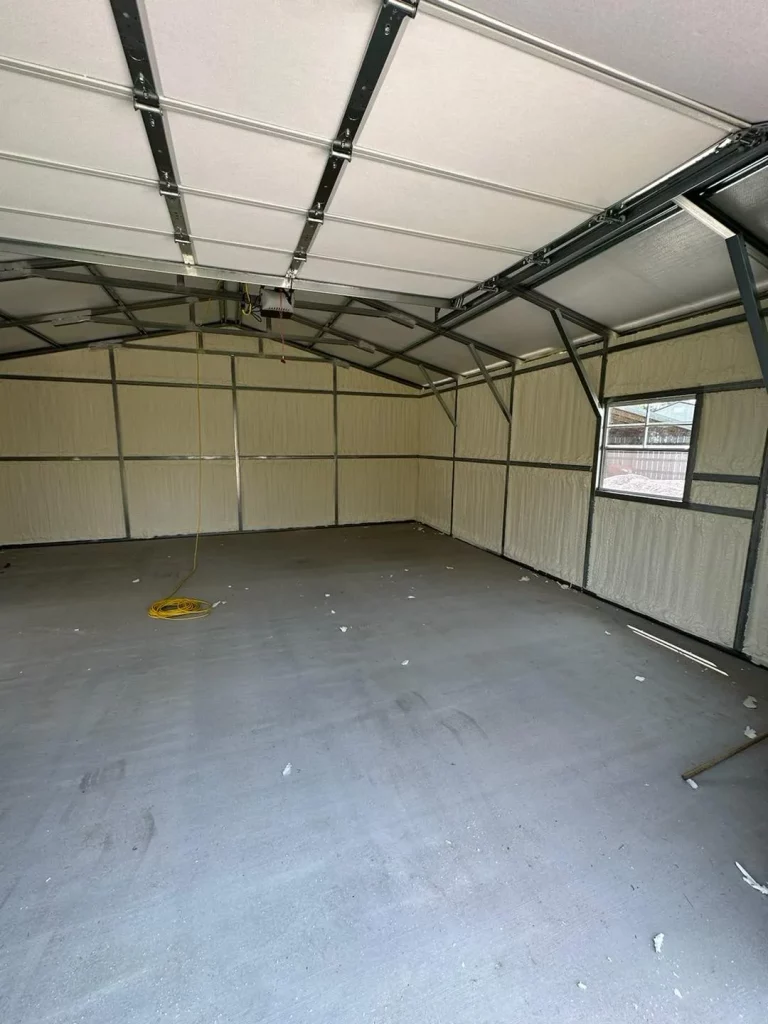
Not all insulation is the same, and different areas of a commercial building require different solutions. The most common and effective upgrades include:
Before starting an insulation project, property owners should evaluate a few key factors to ensure a smooth and successful outcome.
Modern building codes include strict requirements for energy efficiency. Any major renovation or upgrade will likely need to meet the current standards set by local authorities. It’s important to consult with a professional to ensure that the planned insulation project complies with all relevant codes, which can prevent costly delays or rework.
If the building is occupied, planning is essential to minimize disruption. Some insulation methods, like blown-in attic insulation, cause very little disturbance. Others, such as spray foam, may require the area to be vacant during application and curing.
Bonus Tip: The best time to schedule a major insulation upgrade is during a planned tenant turnover. This avoids any disruption to business operations and allows the work to be completed more efficiently.
The type of lease agreement affects who directly benefits from the utility savings. In a Triple Net (NNN) lease, the tenant pays for utilities, so they see the savings immediately. For landlords with NNN leases, the insulation upgrade becomes a primary marketing feature. In a Gross Lease, where the landlord covers utilities, the savings go directly to the owner’s bottom line, improving the property’s profitability.
Thinking of insulation as just a building material misses the point. It is a strategic tool for enhancing the financial performance of a commercial property. By reducing operating costs, improving the tenant experience, and increasing asset value, an insulation upgrade delivers returns far beyond the initial investment. Before your next lease negotiation, consider how your building’s energy performance stacks up. It could be the deciding factor for your next high-quality tenant.
Evaluating your property’s insulation needs is the first step toward making it more competitive. For a professional assessment of your building, contact Armored Insulation to discuss your project. You can reach the team by phone at 270-331-4844 or by email at [email protected]. Understanding your building’s current state is essential for planning upgrades that provide the best return and attract top-tier tenants for years to come.
Proper insulation significantly reduces the workload on a building’s heating, ventilation, and air conditioning (HVAC) system. The system doesn’t have to run as long or as frequently to maintain the desired temperature. This reduced strain leads to less wear and tear on components, fewer breakdowns, and a potentially longer operational lifespan for the equipment.
Yes, various federal, state, and local programs offer tax credits, rebates, or other incentives for energy-efficiency improvements in commercial buildings. The specifics of these programs change, so it’s a good idea to check with a tax professional or look for programs like the federal Energy-Efficient Commercial Buildings Deduction.
The payback period depends on the initial cost, the climate, local energy prices, and the extent of the upgrade. For most commercial insulation projects, the payback period is typically between 3 and 7 years. After this point, the energy savings represent a direct return on investment.
Yes. Insulation is a fundamental part of energy efficiency, which is a major component of the LEED (Leadership in Energy and Environmental Design) rating system. A high-performance insulation system contributes points toward LEED certification, which can further enhance a building’s marketability and brand image.
Yes, absolutely. Many types of insulation, particularly spray foam and dense-pack cellulose, have excellent sound-dampening properties. This can be a major benefit for tenants in noisy areas or for businesses that require a quiet environment, like recording studios or medical offices.