

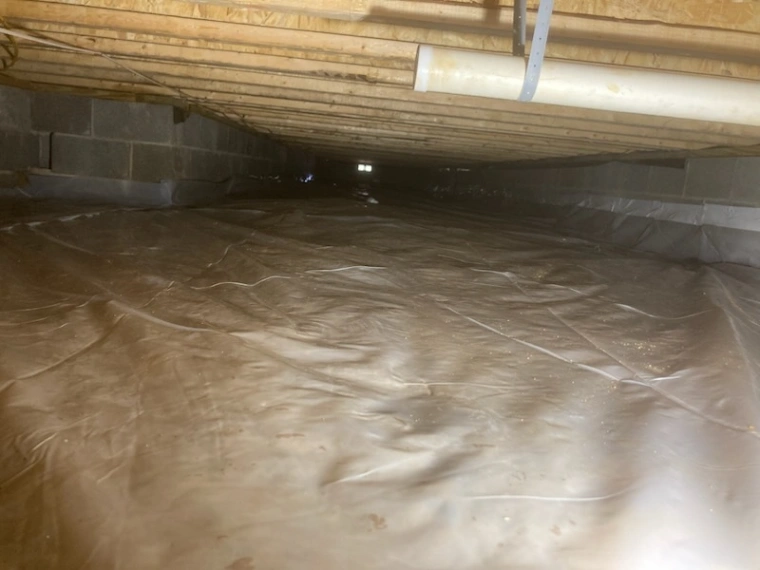
That dark, dusty space under your house might be out of sight, but it shouldn’t be out of mind. The crawl space is a fundamental part of your home’s overall health and efficiency. Ignoring it can lead to a host of problems you might already be experiencing, like uncomfortably cold floors in the winter, surprisingly high energy bills, and a persistent musty smell that just won’t go away. These aren’t just minor annoyances; they are symptoms of a poorly performing building system, and the crawl space is often the source. Years of field experience have shown how a neglected crawl space can affect an entire home. This guide is built on that experience to give you a complete picture of why crawl space insulation matters and how to approach it correctly.
Properly insulating your crawl space is about more than just staying warm. It’s about controlling the flow of air, moisture, and heat throughout your entire house. A well-insulated crawl space contributes to lower heating and cooling costs, the prevention of dangerous mold, better indoor air quality, and the protection of the wooden structures that support your home.
In this guide, you’ll learn everything you need to know. We will cover:
By the end, you’ll have a clear understanding of how to turn the space beneath your feet from a liability into a major asset for your home’s comfort and value.
Many homeowners think of the crawl space as nothing more than a place to run plumbing and wiring. But because of a phenomenon called the “stack effect,” the air in your crawl space has a direct impact on the air you breathe inside your home. The stack effect describes how air moves through a building. Warm air rises and escapes through the upper levels of your home, creating a vacuum that pulls new air in from the lower levels, including the crawl space.
This means a significant portion of the air on your first floor originated under your house. A report from the U.S. Department of Energy explains that this air infiltration is a major source of energy loss. If your crawl space is damp, moldy, or filled with dust and pest droppings, those contaminants are being pulled directly into your living area.
Your crawl space is a major battleground for energy efficiency. An uninsulated or poorly insulated crawl space lets cold air seep in during the winter, making your floors cold and forcing your heating system to work overtime. In the summer, hot, humid air can enter, making your air conditioner struggle to keep your home cool and dry. According to data from the Environmental Protection Agency’s ENERGY STAR program, sealing and insulating the “building envelope,” which includes the crawl space, can save homeowners an average of 15% on heating and cooling costs.
Crawl spaces are naturally prone to moisture. They are close to the ground, which is a constant source of water vapor. In many regions, humid outside air can also enter through vents. When this moisture collects on cool surfaces like floor joists or ductwork, it creates the perfect breeding ground for mold and mildew. Mold not only damages the wood structure of your home but can also cause serious health issues. The Centers for Disease Control and Prevention (CDC) states that mold exposure can cause symptoms like a stuffy nose, wheezing, and red or itchy eyes or skin, and can lead to more severe reactions in people with asthma or mold allergies. A properly insulated and sealed crawl space is one of the best defenses against moisture intrusion.
The wooden beams, joists, and subfloor that make up your home’s foundation are vulnerable. Constant exposure to moisture and high humidity can lead to wood rot, a fungal decay that weakens wood and can compromise your home’s structure over time. Termites and other wood-destroying pests are also attracted to damp, dark environments. By controlling the climate in your crawl space through proper insulation and moisture management, you create a dry, inhospitable environment for these threats, helping to preserve the long-term stability of your house.
Key Takeaways: The Role of the Crawl Space your crawl space is not an isolated area. It directly influences your home’s energy bills, indoor air quality, and structural health. The air under your home becomes the air inside your home due to the stack effect. Controlling the temperature and humidity in this space is essential for a comfortable, efficient, and healthy living environment.
Before you can choose an insulation material, you need to understand the two main strategies for managing a crawl space: vented and unvented (or encapsulated). For decades, building codes required vents in crawl space foundations, but modern building science has shown this is often the wrong approach.
The original idea behind vented crawl spaces was to allow outside air to circulate, which would supposedly dry out any moisture that got in. In dry climates, this can sometimes work. However, in most parts of the country that experience humidity, vents cause more problems than they solve.
During humid summer months, hot, moist air enters the vents and cools as it hits the relatively dark, cool crawl space surfaces. This causes condensation, just like on a cold glass of water. This process introduces massive amounts of moisture, leading to mold, wood rot, and pest infestations. Insulating a vented crawl space typically involves placing fiberglass batts between the floor joists, which often fails when the insulation sags and absorbs moisture.
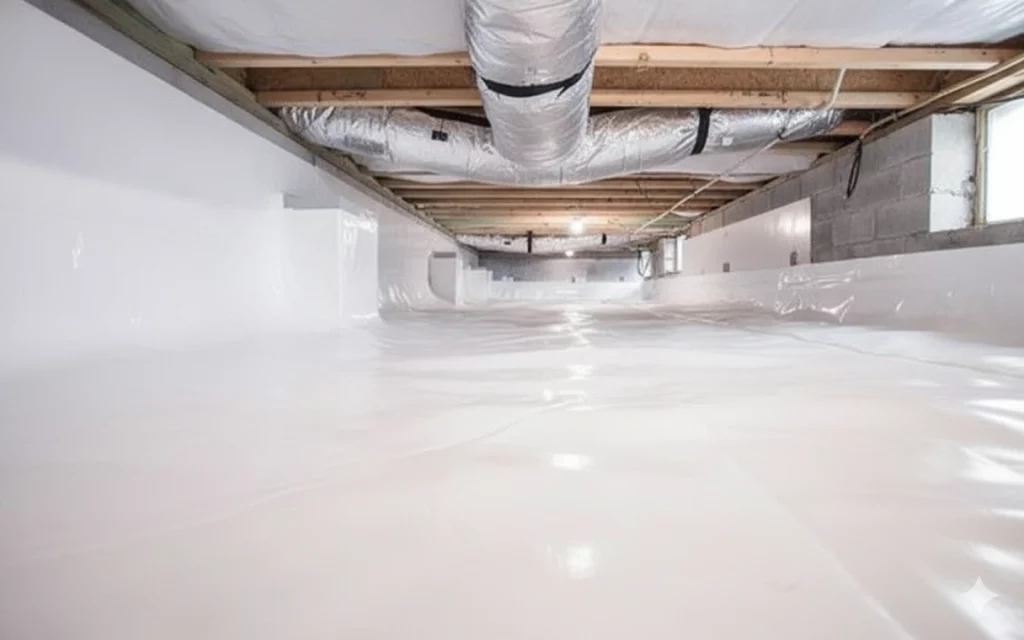
Building science now shows that the best way to control a crawl space is to completely isolate it from the outside and treat it like a small basement. This process is called encapsulation.
An unvented or encapsulated crawl space involves:
This method creates a clean, dry, and temperature-controlled space that becomes part of the home’s conditioned envelope. [Link to: Vented vs. Encapsulated Crawl Spaces: A Detailed Comparison]
| Feature | Vented Crawl Space | Unvented (Encapsulated) Crawl Space |
|---|---|---|
| Airflow | Allows outside air to circulate freely. | Sealed from outside air. |
| Moisture Control | Relies on air movement to dry moisture. Often introduces more humidity. | Uses a vapor barrier and dehumidifier to actively control moisture. |
| Insulation Placement | Between the floor joists (in the “ceiling” of the crawl space). | On the interior of the foundation walls. |
| Energy Efficiency | Generally poor. Exposed ductwork and pipes lose energy. | High. The entire space is semi-conditioned, protecting ductwork. |
| Common Problems | Mold, pests, wood rot, sagging insulation, high humidity. | Higher upfront cost. Requires proper installation to be effective. |
The type of insulation you choose is critical, especially in an unvented, encapsulated system. The wrong material can fail quickly in the potentially damp environment of a crawl space.
Fiberglass batts are the pink or yellow rolls of insulation you see in many attics and walls. For decades, they were the standard for crawl spaces, tucked between the floor joists.
Rigid foam board insulation is a popular and effective choice for crawl space foundation walls. It comes in large, stiff sheets and is made from materials that do not absorb water.
Expert Tip: When using foam board, make sure it’s rated for below-grade use and that all seams are taped with a high-quality construction tape. Any gaps will reduce its effectiveness.
Spray Polyurethane Foam (SPF) is applied as a liquid and expands to fill every crack and crevice, creating a perfect air and insulation barrier. It’s an excellent, though more expensive, option. [Link to: Spray Foam vs. Foam Board: What’s Best for Crawl Spaces?]
Proper installation is just as important as the material you choose. A great product installed incorrectly will fail. The process for encapsulating and insulating a crawl space is methodical.
Step 1: Preparation and Cleanup. Before any new materials are installed, the crawl space must be prepared. This involves removing any old, failed insulation, discarded construction debris, and any signs of pest infestation. The ground should be graded to ensure it slopes away from the foundation to prevent water pooling.
Step 2: Moisture Management and Air Sealing. This is the most critical stage. Any water leaks from plumbing or cracks in the foundation must be repaired. Then, a heavy-duty vapor barrier (at least 12-mil thick) is laid down to cover 100% of the dirt floor. The seams are overlapped and sealed, and the liner is run up the foundation walls and sealed. At the same time, all foundation vents are sealed from the inside, and any gaps or cracks around pipes or wiring are sealed with spray foam. [Link to: The Importance of a Crawl Space Vapor Barrier]
Expert Tip: Before sealing everything up, take pictures or make a map of where important plumbing cleanouts or electrical junction boxes are located. This will save you a headache down the road if you need access.
Step 3: Insulating the Walls and Rim Joist. With the crawl space sealed, insulation is applied to the interior of the foundation walls. This is usually done with rigid foam board, which is attached with adhesive and mechanical fasteners, or with closed-cell spray foam. It’s also essential to insulate the rim joist, which is the wooden board that sits on top of the foundation wall. The rim joist is a major source of air leakage and heat loss.
Step 4: Conditioning the Space. The final step is to manage the humidity in the newly sealed space. This is typically done by installing a high-efficiency crawl space dehumidifier that will automatically keep the relative humidity below 50%, the point at which mold cannot grow.
Many things can go wrong with a crawl space project, especially if it’s treated as a simple DIY weekend task. Avoiding these common errors is key to a successful, long-lasting solution.
When insulating your home, you need to be aware of building codes and R-value requirements.
R-value is a measure of a material’s resistance to heat flow. The higher the R-value, the better the insulation. Different materials have different R-values per inch of thickness. For example, closed-cell spray foam has a much higher R-value per inch than fiberglass.
The United States is divided into different climate zones, and each has a recommended R-value for different parts of a home. According to the 2021 International Energy Conservation Code (IECC), which is a model code many states adopt, crawl space wall R-value requirements range from R-5 in the warmest climates to R-15 or more in the coldest zones. It’s always best to check the specific requirements for your local area. [Link to: Kentucky Building Code Insulation Requirements]
You now have a complete overview of what it takes to properly insulate a crawl space. It’s not just about stuffing insulation between the joists. It’s a systematic approach to controlling moisture, air, and temperature. By transforming your crawl space from a vented, dirt-floored liability into a sealed, clean, and dry part of your home, you make a direct investment in your property’s energy efficiency, durability, and health.
Remember the key steps: first, address any water problems. Second, completely isolate the space from the ground and outside air with a durable vapor barrier and sealed vents. Third, insulate the foundation walls with a moisture-resistant material like foam board or spray foam. Finally, actively control the humidity. While this guide provides a strong foundation for your project, a professional assessment can ensure the job is done right from the start.
Tackling a crawl space project can feel like a big undertaking. If you want to ensure the job is done right from the start, professional help is often the best path forward. For homeowners who want a thorough assessment and professional installation, the experts at Armored Insulation are available to help. You can reach out by calling (270) 331-4844 or by sending an email to [email protected] to discuss your home’s specific needs.
The cost can vary widely depending on the size of your crawl space, the materials chosen, and the extent of the prep work needed. A full encapsulation with spray foam will cost more than simply adding foam board. However, the energy savings and preventative benefits often provide a good return on the investment over time.
While some parts of the job, like cleanup, can be done by a handy homeowner, a full encapsulation is a complex project that requires knowledge of building science. Incorrectly sealing a crawl space can trap moisture and create bigger problems. Professional installation is generally recommended to ensure it’s done correctly.
When the right materials are used and installed properly, they should last for the life of the home. Closed-cell spray foam and rigid foam board do not degrade, settle, or lose their insulating properties over time. A high-quality vapor barrier is also extremely durable.
Yes, in most cases. Musty smells are caused by mold and mildew thriving in a damp environment. By sealing out moisture and controlling the humidity, a proper insulation and encapsulation system eliminates the source of these odors, leading to fresher, cleaner air in your home.
It is highly recommended. Even in a perfectly sealed crawl space, some moisture can still enter through the concrete foundation or from minor plumbing leaks. A dehumidifier is your insurance policy, actively removing any excess moisture and keeping the environment stable and dry.
Insulating the floor joists (the ceiling of the crawl space) leaves the space itself, along with your pipes and ductwork, exposed to cold temperatures. Insulating the foundation walls brings the crawl space inside the home’s conditioned boundary, which protects pipes from freezing, reduces energy loss from ducts, and creates a much more stable and useful environment.